Cleaning and Feeding Wood Furniture
Most wood furniture is not thirsty. It is dirty, dry from central heating, or coated in old polish. Here is what each finish actually needs, and what to skip.
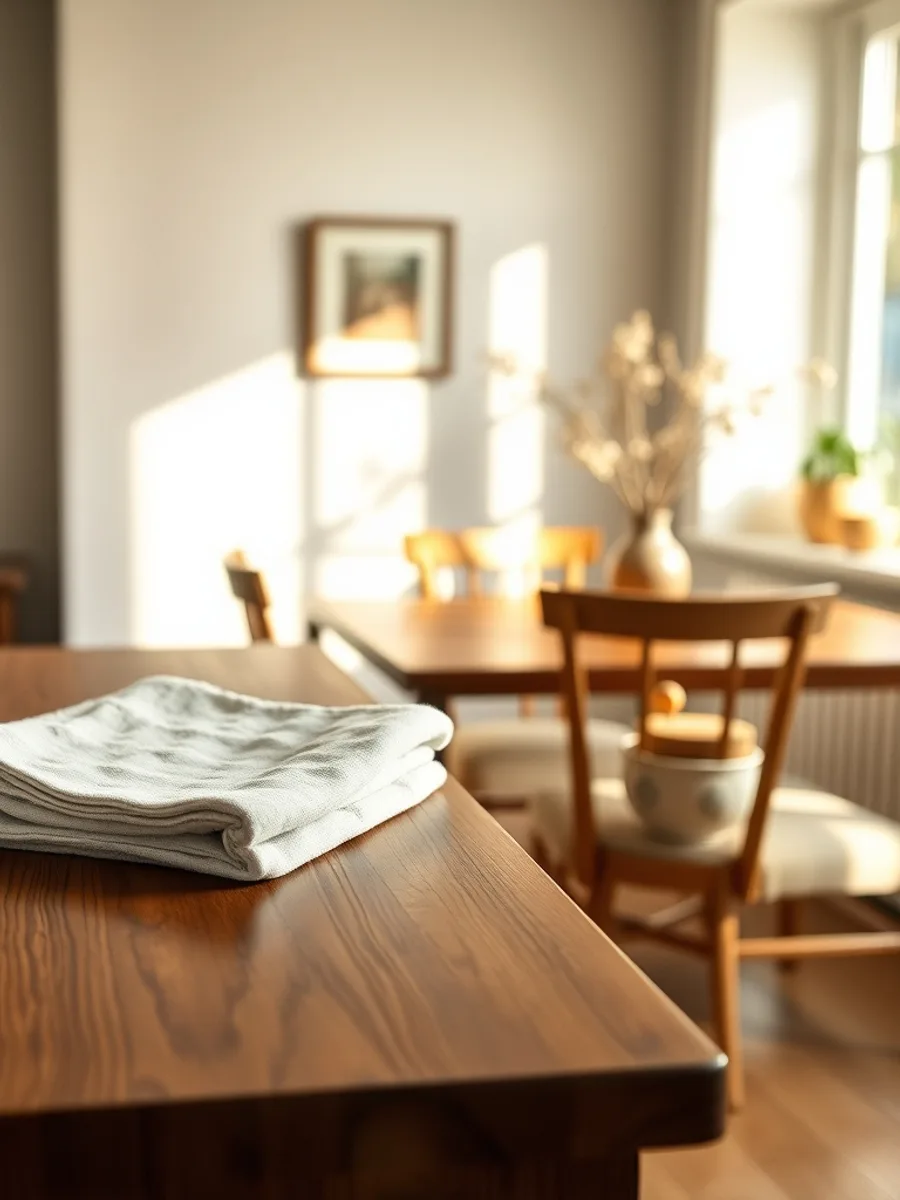
Wood furniture collects two things: dust that acts like sandpaper and a decade of polish that never came off. The instinct is to feed it oil. Most of the time the wood is not hungry; it is dirty, or the finish on top of it has been worn thin by the wrong cloth.
This post contains affiliate links. If you buy through them, we may earn a commission at no extra cost to you. Read our Affiliate Disclosure.
Know what finish you are cleaning
The wood species matters less than the coating on it. A modern lacquer or polyurethane table is a plastic film over timber, and oil applied to it sits on the surface and attracts dust. An oil-finished piece, common on mid-century and Scandinavian furniture, has no film at all, and that is the only case where feeding genuinely helps.
Quick identification
Look at the surface at a low angle in daylight. A film finish reflects as one continuous sheet and shows scratches as pale lines in the coating. An oil finish looks slightly open, with the grain visible as texture rather than under glass. When in doubt, test on the underside of a tabletop, never on the top.
| Product | Best for | What to know |
|---|---|---|
| Mild dish soap and water | Everyday soil on any film finish | A few drops in a bowl of warm water; the cloth should be damp, never wet |
| Beeswax and carnauba polish | Waxed and oiled pieces, and sealed wood that looks dull | Adds a thin protective layer; too much builds a sticky film that holds dust |
| Furniture oil or oil-wax blend | Oil-finished wood only | Soaks in rather than sitting on top; a little goes a long way and excess must be buffed off |
| Silicone polish | Nothing in a normal home | Silicone is hard to remove and interferes with refinishing later |
Dust is most of the job
Dust with a soft, slightly damp microfiber cloth, not a dry duster and not a feather one. Dry dusting moves grit around and leaves a film; feather dusters mostly redistribute it. Microfiber traps the particles, and a barely damp cloth stops them going airborne.
Work with the grain on flat surfaces and into the corners where dust collects, then turn the cloth and finish with a dry pass. Do this weekly on tables that get used and monthly on everything else. A pack of microfiber cleaning cloths in two colors, one for wood and one for everything else, stops cross-contamination.
Wash the cloth every few months rather than shaking it out. A cloth loaded with grit is what puts fine scratches in a finish.
Wash, then dry, then stop
For sticky marks and general grime, use a mild soap solution: a few drops of dish soap in a bowl of warm water, a cloth wrung out until it is almost dry, and a wipe in the direction of the grain. Follow immediately with a dry cloth. Water is the enemy of wood at the seams, where it swells the joint and lifts the finish, so never let a wet ring sit.
Spray cleaner onto the cloth, not the furniture, so overspray does not land on the wood or the wall behind it.
For anything tacky, try the least aggressive thing first: a damp cloth, then a cloth with a drop of soap, then a specialist product. Solvents, acetone, and magic eraser sponges take finish off along with the mark.
Repair small damage before it spreads
White rings from a wet glass are moisture trapped in the finish, and they often fade if you leave the piece alone for a few days. Gentle warmth through a dry cloth can speed that up, but keep the heat low and keep moving. Dark rings mean water has reached the wood and are a refinishing matter.
Fine scratches in a film finish can be hidden with a wax stick or a touch-up marker matched to the wood, applied sparingly and buffed. Deep gouges need filler. Loose joints are a glue job, not a polishing one, and screwing a bracket onto a wobbly chair leg only postpones the repair.
Feed only what needs feeding
"Feeding" wood is a habit borrowed from oil-finished furniture and applied to everything. On a lacquered or polyurethane surface, oil and wax do nothing except sit there and collect dust. On an oil finish, a thin coat of a suitable oil or oil-wax blend every six to twelve months keeps the surface from drying and going pale.
Apply sparingly with a lint-free cloth, let it sit for the time the manufacturer lists, then buff off everything that has not absorbed. Excess oil left on the surface turns gummy and darkens in the seams. A tin of beeswax furniture polish lasts for years at this rate.
Skip the old household remedies. Olive oil goes rancid, mayonnaise attracts pests, and both leave residue that is hard to remove when the piece finally needs refinishing.
Heat, sun, and humidity do more damage than dirt
A wood table near a radiator or a forced-air vent will dry unevenly and open at the joints. Direct sun bleaches and shifts color, especially on cherry and walnut. Aim for a stable indoor humidity around 40 to 50 percent; a cheap hygrometer tells you more about your furniture's prospects than any polish.
Move pieces a few inches away from heat sources and rotate tabletop accessories so the finish ages evenly. Felt pads under anything you put down, and a coaster under every glass, prevent most of the marks people try to polish out later. A set of felt furniture pads is the cheapest protection you can buy.
If the piece sits in a room you are rethinking, the finish sets the tone next to everything else. Our notes on mixing wood tones explain which finishes sit well together, and choosing a coffee table covers how an oil finish behaves under daily use.
FAQ
How often should I polish wood furniture?
Twice a year is plenty for wax or oil on a piece that needs it, and not at all for a modern film finish beyond cleaning. More frequent polishing builds layers that never cure, which is why old furniture sometimes feels tacky and shows every fingerprint.
Can I use vinegar and water on wood?
Only with care. Diluted white vinegar removes some water marks and greasy fingerprints, but the acid can dull a wax or oil finish and does nothing good for lacquer. Use the mildest soap solution first, and keep vinegar for spot treatment rather than routine cleaning.
Why does my wood furniture look dry and pale?
Usually central heating, sun, or an oil finish that has thinned out. Check the indoor humidity first; below about 35 percent, wood loses moisture and lightens at the surface. If the piece is oil-finished, a thin coat of oil restores color. If it is lacquered and pale, the finish itself may be failing, which is a refinishing question.