How to Mix Wood Tones in One Room
Mixing oak, walnut, and painted pieces is easier than matching a set. How undertones decide what works, why the floor sets the rules, and where to compromise.
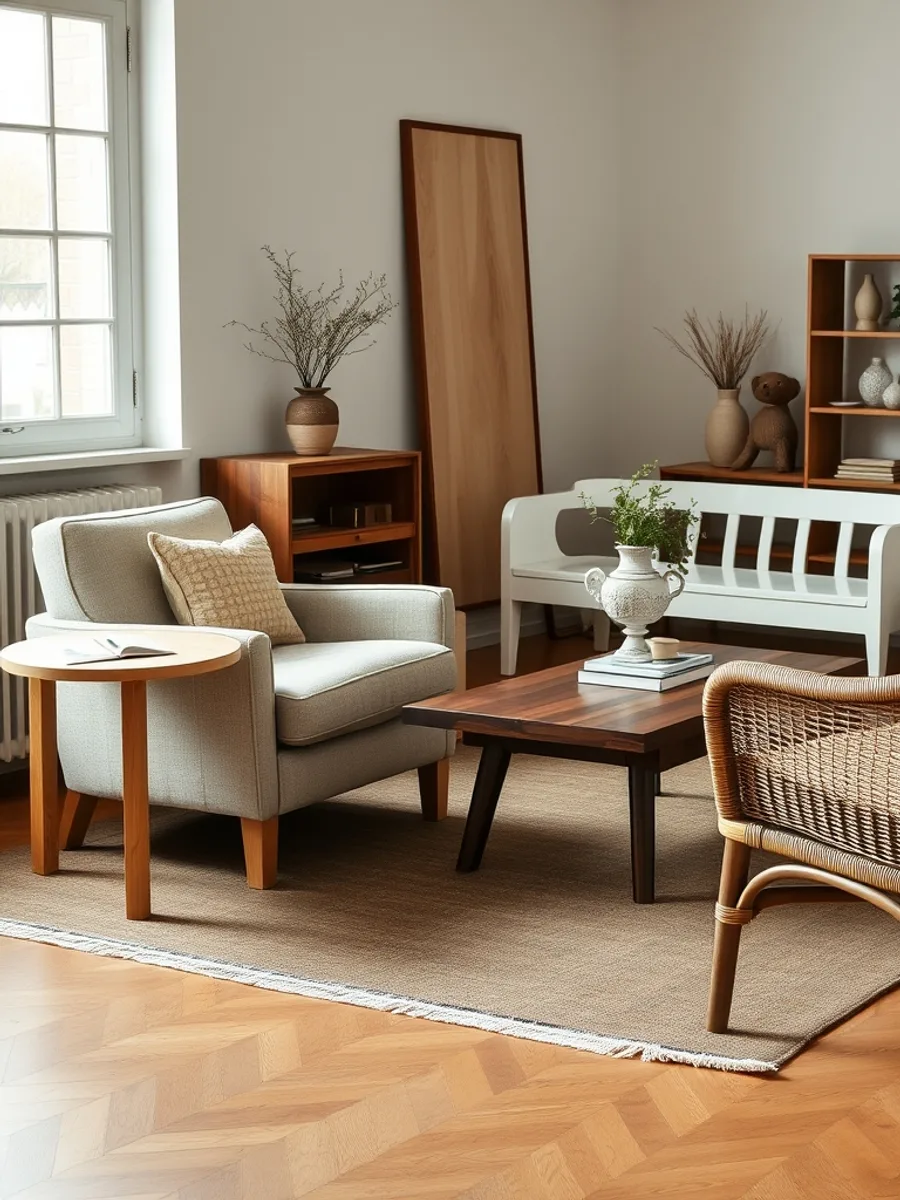
Matching every piece of wood in a room is the fastest way to make it look like a furniture showroom in 2004. A matched suite reads as a purchase rather than a collection, and it flattens a room the same way matching every fabric would. Mixing tones is the better instinct; it just needs a rule, or it turns into a room where nothing quite goes.
This post contains affiliate links. If you buy through them, we may earn a commission at no extra cost to you. Read our Affiliate Disclosure.
Why Wood Tones Clash
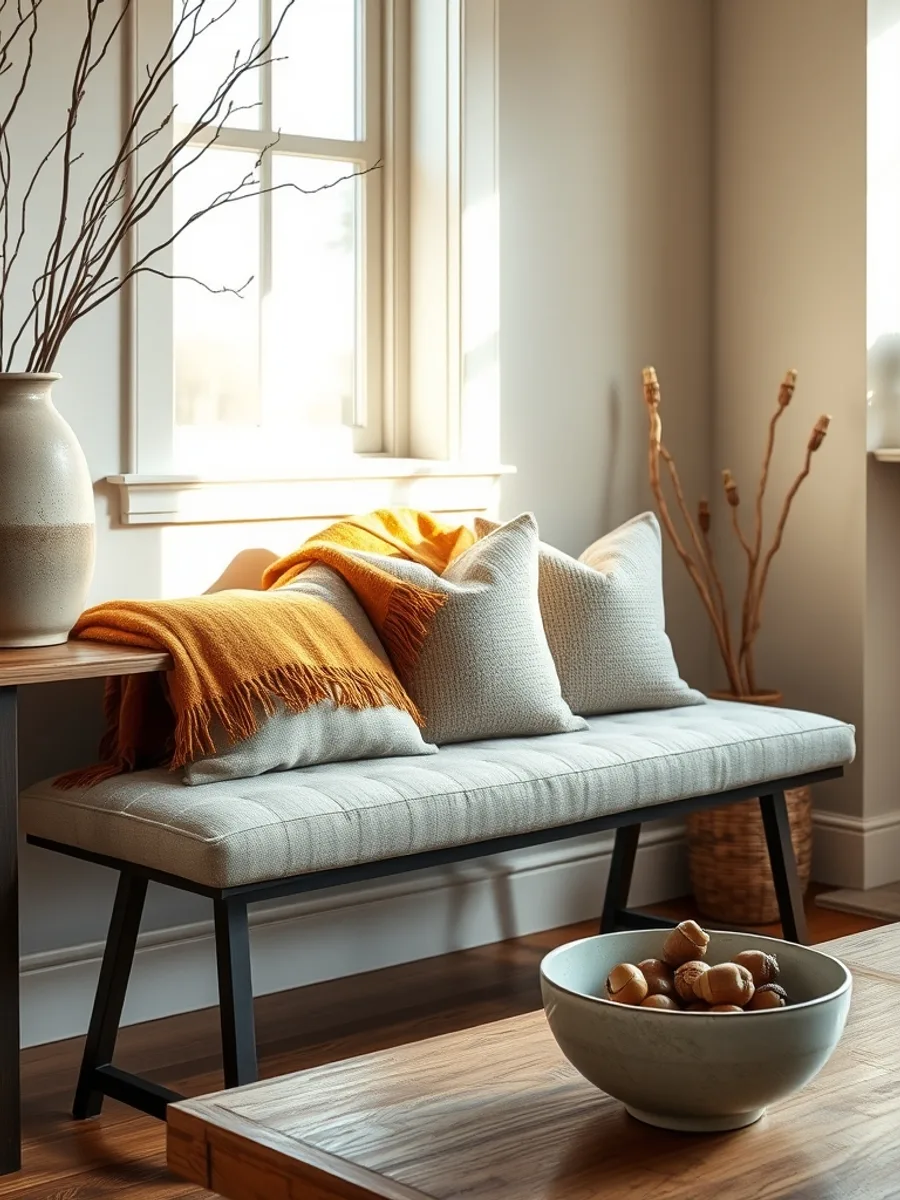
Wood is not one color. Oak, ash, and birch are pale and fairly neutral. Walnut is dark and cool. Cherry and mahogany pull red. Pine and reclaimed lumber pull yellow and orange. Two pieces in the same nominal color can still fight if one is warm and the other is cool, which is why a gray-washed table next to a honey-oak floor can look like a mistake while a near-black console looks intentional.
Clashes usually come from undertone rather than depth. A pale piece and a dark piece nearly always work together, because the contrast is obvious and the eye reads it as deliberate. A mid-tone orange piece and a mid-tone gray-brown piece usually do not, because the difference is small enough to look accidental.
The other variable is finish. High-gloss lacquer reflects light and reads cooler; oiled and waxed wood reads warmer and softer. Two pieces of the same species with different finishes can look more different than two different species finished the same way.
Pick a Dominant Tone and a Supporting One
Choose one tone to dominate, roughly 60 to 70 percent of the wood in the room, and a second tone as support. A third is fine if it is small, like a picture frame or a tray. Beyond three, the room starts to look like a salvage yard.
A practical pairing is pale oak as the dominant tone with walnut as the accent, or walnut dominant with ash accents. Both work because the depth difference is large. Pale oak with pale ash is harder, since the tones are close and the variation looks like a fading problem rather than a choice.
Repeat each tone at least twice. One walnut piece in a room of oak reads as a leftover. The same walnut tone on a coffee table and a picture frame reads as a scheme. Repetition is what turns a mix into a palette.
Undertones are the tell
Hold two samples next to each other against a white wall in daylight. If one makes the other look pink or green, they are on opposite sides of the undertone line and will fight in a room. If one simply looks lighter, the pairing is safe.
Floors Set the Rules
The floor is the largest wood surface in most rooms and you are probably not changing it, so it dictates which tones you can layer on top. A warm orange oak floor wants cooler, darker furniture on it, or a large rug to interrupt the color. A pale gray-washed floor is more forgiving and will take almost anything.
If the floor and the furniture are the same tone, the room goes flat. That is the case for introducing contrast rather than matching: a darker table, a painted piece, or a rug with enough pattern to break the plane. A rug is also the cheapest way to separate a floor you dislike from the furniture standing on it.
Before you add a piece, check how the floor reads at different times of day. North light cools everything and makes orange floors look less orange; low afternoon sun makes them look more so.
Where to Compromise
The table below is a rough guide to the roles different pieces play in a mixed scheme, and what to look at before buying. None of these needs to match anything you already own exactly.
| Product | Best for | What to know |
|---|---|---|
| Solid oak side table | Anchoring a pale, neutral room | Oiled finishes need re-oiling, so check the finish type |
| Walnut coffee table | Warmth against pale floors | Softer than oak and dents more easily |
| Ash or birch dining chairs | Breaking up heavy brown pieces | Pale wood shows scuffs and water rings |
| Reclaimed pine bench | Adding age to a new room | Expect movement, knots, and open joints |
| Cane or rattan chair | Texture without adding more brown | Not for damp rooms or covered porches |
A solid oak side table is the safest first buy if the room is already pale, because it will sit under almost anything. If the room is heavy and dark, a cane or rattan chair adds texture without adding another brown tone, which is often what a room full of wood actually lacks.
Let Something Else Do the Work
Metal is the escape hatch. Brass warms a cool scheme, blackened steel or brushed nickel cools a warm one, and either can tie mismatched wood together because it introduces a third material the eye can accept as intentional. One metal repeated across a lamp, a handle, and a frame is enough.
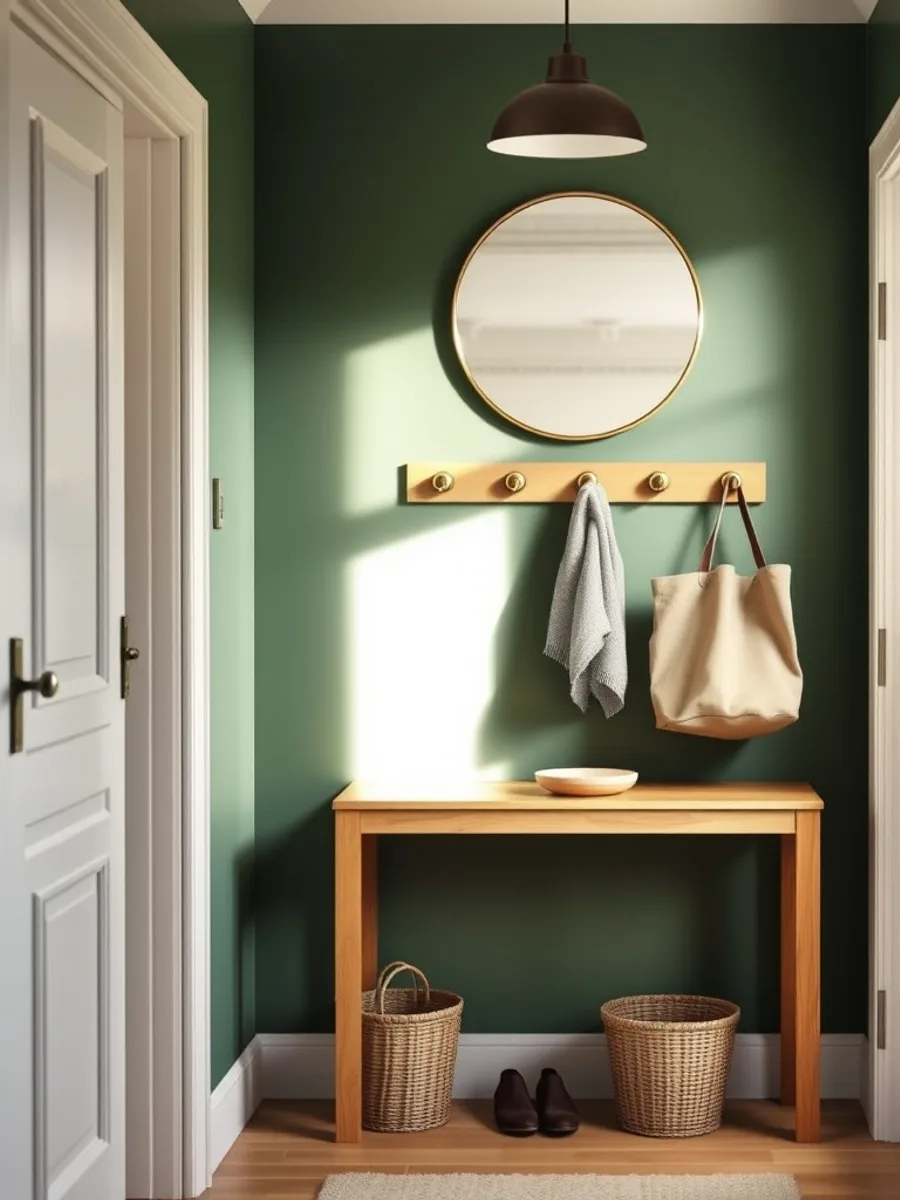
Painted furniture is the other option. A painted piece has no visible grain, so it acts as a neutral and stops the wood count where you want it to stop. A white or deep green bench between an oak table and a walnut shelf reads as a pause rather than a clash.
Keep the care products simple. A beeswax and oil furniture polish will feed an oiled finish without building a film, and one product you actually use beats five you do not. Our guide to cleaning wood furniture explains which finishes want oil and which want nothing but a damp cloth.
If the room is small, mixed tones need more discipline, not less: fewer pieces, each doing a clear job. Our small living room layouts explain the reasoning.
FAQ
Can I mix oak and walnut furniture in the same room?
Yes, and it is one of the easier pairings because the depth difference is large. Let one dominate and repeat the other at least twice. The problems start when a third and fourth tone creep in at similar depths, which is what makes a room look unresolved.
Should all the wood in a room match the floor?
No. Matching the floor exactly flattens the room and makes furniture look built in. Either go clearly darker or clearly lighter, and use a rug if you want to separate the two. The exception is a small room where a matched tone helps the space read as one volume.
Does painted furniture count as a wood tone?
It counts as a neutral, which is why it is useful. Painted pieces interrupt a run of wood without adding another grain to the mix. Keep the paint color related to the walls or the textiles rather than to the wood, or you end up with one more tone to reconcile.