Keeping Houseplants Alive Through Winter
Winter kills houseplants with kindness: less light, more water, and a radiator. Adjust three habits and most plants will coast until spring without losing a leaf.
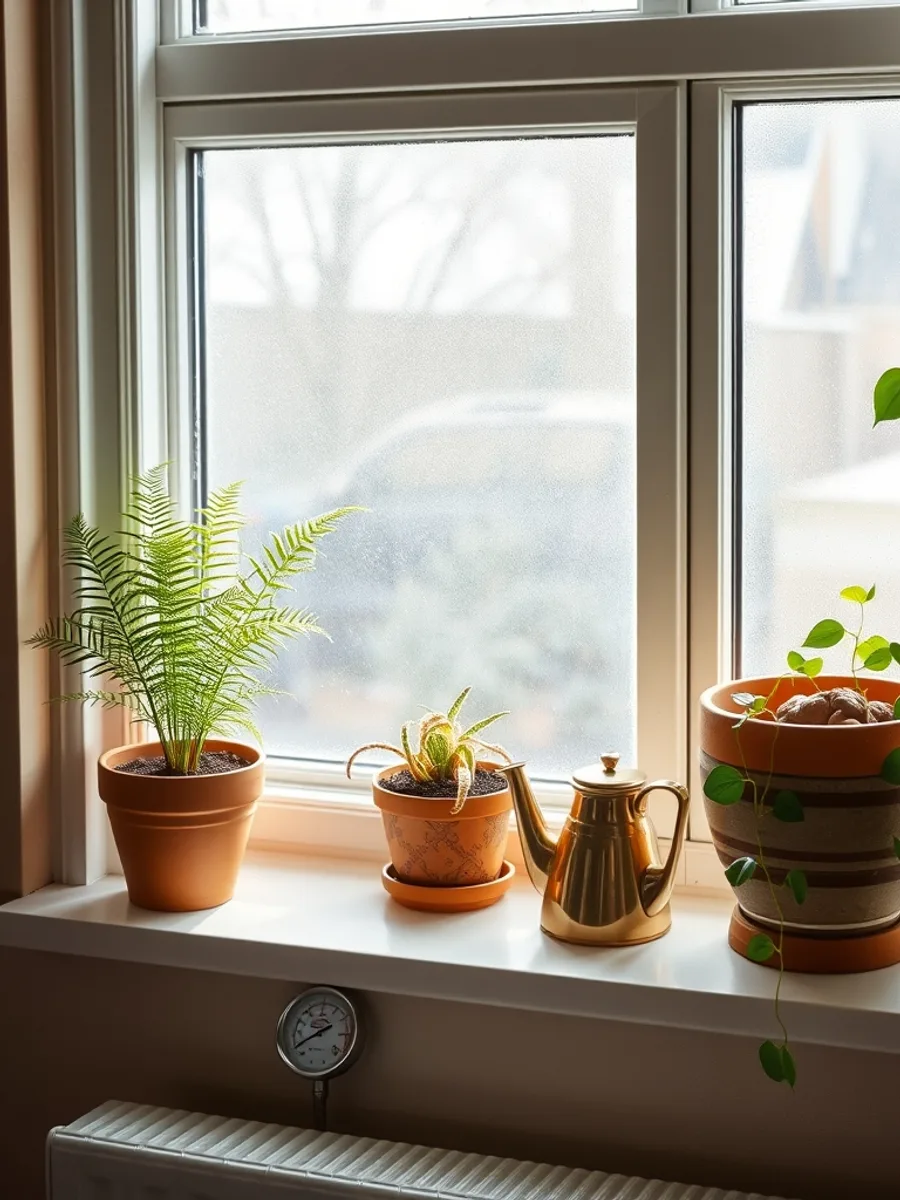
Most houseplants do not die of cold. They die of the gap between the light they get in July and the water they keep getting in January. Growth slows to almost nothing, the soil stays wet for weeks, and the roots suffocate in a pot that never dries.
This post contains affiliate links. If you buy through them, we may earn a commission at no extra cost to you. Read our Affiliate Disclosure.
Light falls before the temperature does
By December, a window that was bright in June delivers a fraction of the light, partly because the days are shorter and partly because the sun sits lower. The plant does not move, so the change happens quietly and the plant responds by dropping leaves or stretching toward the glass.
Move plants closer to the brightest window you have, and clean the glass. A dirty pane can cut a surprising amount of light, and so can a layer of dust on the leaves. Wipe leaves with a damp cloth once a month, supporting the underside with your hand so you do not crack a stem.
Move toward the window, not away from it
The instinct is to pull plants back from cold glass. Do that only if leaves are actually touching the pane, which can damage tissue on very cold nights. Otherwise, closer is better. Rotate pots a quarter turn each week so the plant grows evenly rather than leaning into the light.
If your brightest room still faces north or is shaded by a building, a clip-on LED grow light on a timer for eight to twelve hours a day is enough for most foliage plants. It is not a substitute for sun, but it stops the slow decline.
Water less, and check before you pour
Overwatering in winter is the single most common way houseplants die. Cool soil, low light, and slow growth mean water sits in the pot for weeks, and roots that stay wet lose the fine hairs that take up water. The plant then looks thirsty, gets watered again, and the cycle finishes it off.
Test before watering: push a finger two inches into the soil, or lift the pot and feel the weight. A pot that feels light is dry. A saucer with water in it ten minutes after watering means the pot is sitting in it, so empty the saucer.
A moisture meter helps if you are unsure
A simple soil moisture meter takes the guesswork out of plants with deep pots, and it is more reliable than the finger test for large containers. Use it as a second opinion rather than an instruction; the number varies with soil type, and the feel of the pot is often more honest.
Water with room-temperature water. Cold water straight from the faucet is a shock to tropical roots, and in winter the supply runs colder than it does in summer. Let a can stand for an hour, or use water you have left out overnight.
Humidity, drafts, and the radiator problem
Heating dries the air, and most tropical houseplants come from places that are never dry. Ferns, calatheas, orchids, and most ficus want something closer to 40 to 60 percent humidity than the 20 to 30 percent a heated room often delivers.
Grouping plants raises humidity in the pocket of air around them, and a small room humidifier does more than any pebble tray. Misting is pleasant for the person doing it and barely changes humidity for more than a few minutes; if you enjoy it, mist in the morning so leaves dry before the cooler night.
Keep plants away from radiators, forced-air vents, and doors that open to the outside. A ficus that drops half its leaves in January is usually reacting to a draft or a swing in temperature, not to a lack of water. Cold glass is the other trap: leaves pressed against a single-pane window on a freezing night can be damaged within hours.
Pests that thrive in a heated room
Spider mites love dry, warm air. Look for fine webbing at the leaf joints and pale stippling on the upper surface. Fungus gnats love wet soil, which is another argument for letting the top inch dry between waterings. Scale shows up as small brown bumps on stems, and mealybugs as white cottony patches.
Isolate a plant as soon as you see anything, wipe the leaves, and treat with insecticidal soap or a neem oil concentrate mixed to the label rate. Repeat the treatment weekly for three or four weeks, because eggs hatch after the first pass. Check the undersides of leaves and the rim of the pot, where pests hide.
What to check each week
- Soil moisture. Finger or meter, two inches down, before any water goes in.
- Leaf undersides. Mites and scale start where you do not look.
- New growth. Pale, stretched stems mean the plant wants more light.
- Drafts. A hand at the window and at the door tells you more than a thermometer.
- Standing water. Empty saucers, and check that pots with cachepots are not sitting in a puddle.
- Fertilizer. Stop it, or cut to a quarter strength, until growth restarts in spring.
Two things to postpone until spring: repotting and hard pruning. Both push a plant to heal when it has the least energy to spare. The exception is a plant that is waterlogged and rotting, which needs new soil now regardless of the season.
For plants that spend summer outside, our notes on low-water planting cover which species tolerate neglect, and the container planters guide explains why drainage matters more than pot size.
FAQ
Should I fertilize houseplants in winter?
No, or only at a fraction of the summer dose. Fertilizer pushes growth the plant cannot support in low light, and unused salts build up in the soil. Wait until you see new growth in early spring, then resume at half strength for a month.
Why are my plant's leaves turning yellow and falling off?
Yellow lower leaves with wet soil usually means overwatering. Yellow leaves with dry soil and a warm, bright spot can mean underwatering or sunburn. Check the soil before assuming anything, and remember that some leaf loss after moving a plant indoors is normal acclimation.
Can houseplants survive in a dark apartment?
Many foliage plants survive, but few thrive. Pothos, snake plants, and ZZ plants tolerate low light better than most. A grow light on a timer is the honest fix for a room with no bright window, and it uses very little electricity.