A Seasonal Decor Refresh Without Buying Everything New
A seasonal refresh is about light and texture, not a new shopping list. Three changes that shift a room from summer to winter, and how to store what comes off the shelf.

A seasonal refresh has become a shopping event, which is the opposite of what most rooms need. The change people actually notice when the clocks move is light: it drops, it cools, and the room that felt airy in June feels thin in November. Responding to that is a matter of texture and warmth, not a new collection of objects.
This post contains affiliate links. If you buy through them, we may earn a commission at no extra cost to you. Read our Affiliate Disclosure.
Change Three Things, Not the Whole Room
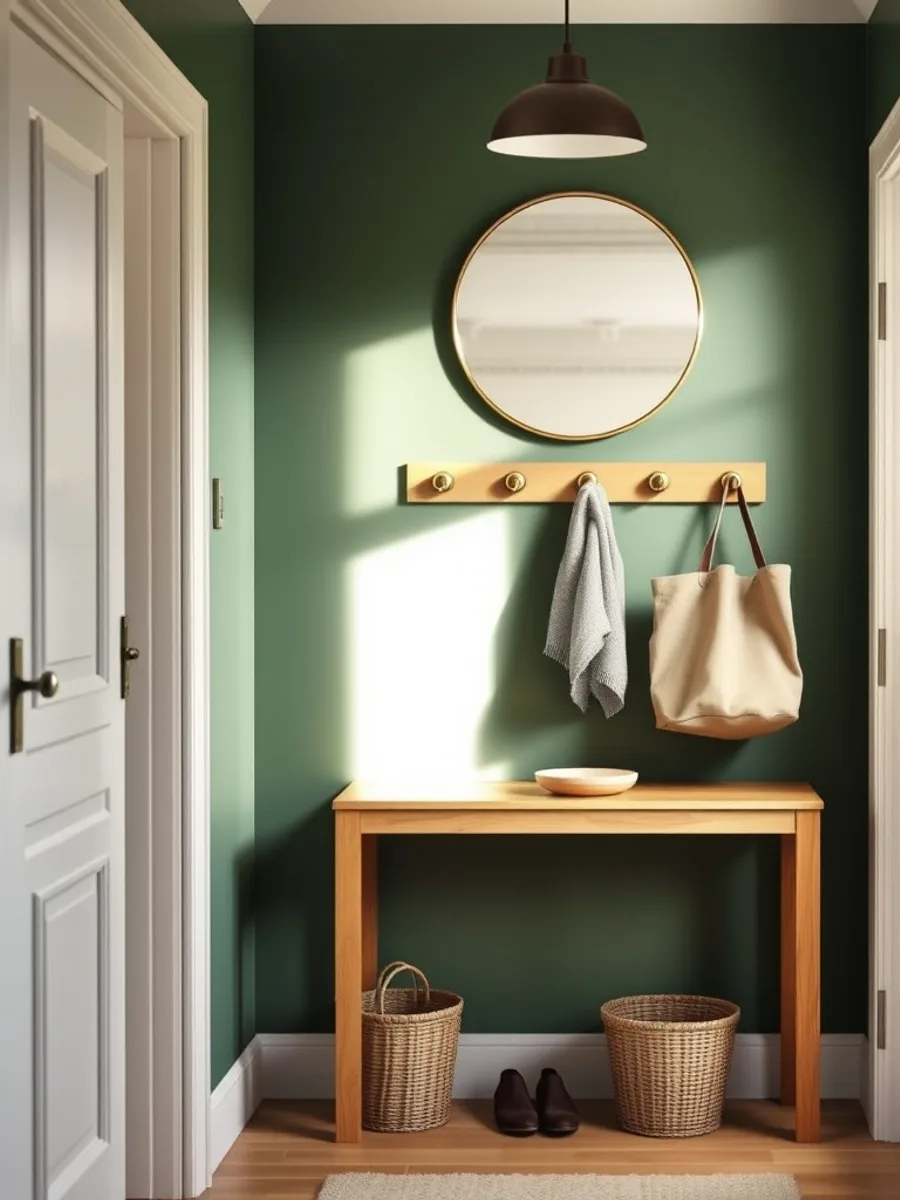
Three changes are enough to signal a new season: one textile, one surface, and one thing that gives off light. Everything else can stay exactly where it is. This is not minimalism for its own sake. It is a rule that keeps a refresh affordable and reversible, and it stops the room from looking like a store display that was reset overnight.
The textile is usually a throw or a pillow cover. The surface is a table, a console, or a mantel where the objects change. The light is a lamp, a candle, or a bulb temperature you adjust. None of those requires moving furniture, and all of them can be undone in ten minutes if the result is wrong.
Start with what the room already has. Most homes own a wool throw, a spare pillow cover, and a lamp that could move six feet to a better corner. Buying is the last step, not the first. The same order applies to the bigger jobs; our seasonal home maintenance list is the one we work through before adding anything new to a room.
Textiles Do Most of the Seasonal Work
Fabric is the cheapest way to change how warm a room feels, because it changes both color and surface at once. Summer reads as linen, cotton, and pale flat weave. Winter reads as wool, boucle, velvet, and anything with a visible pile. The room does not need different furniture, only a different outer layer.
Pillows are the easiest swap. Replace covers rather than pillows, and store the flat inserts. A pair of linen pillow covers in a deeper tone will carry a sofa from September to March, and they wash. Two covers cost a fraction of two pillows and take up a fraction of the storage space, which matters in a small apartment.
Swapping covers, not pillows
Measure the insert before ordering. A 20-inch insert in a 20-inch cover looks flat; the same insert in an 18-inch cover looks full. Feather and down inserts hold a chop better than polyester, and polyester holds its shape longer. Either is fine, but buy the cover to the insert, not the other way around.
A wool throw in a seasonal color does the second half of the work. Fold it across the arm of a sofa or the foot of a bed rather than draping it over the back, which makes even a good throw look like laundry. Ochre, rust, and deep green read warm under low light; pale gray and cream disappear.
Branches, Bowls, and What Is in Season
The cheapest seasonal change is plant material, and it is the one that dates fastest if you get it wrong. In fall, cut branches with seed heads or turning leaves. In winter, bare branches, evergreen offcuts, and dried grasses. In spring, bulbs forced in a bowl. In summer, almost anything from the garden in a clear glass vase.
One tall arrangement beats three small ones on a console. A tall stoneware vase with a wide enough mouth to hold branches steady will do more than a shelf of seasonal ornaments, and it can stay out all year with different contents.
Forage only from your own garden, or from land where you have permission, and never from parks, roadsides, or protected sites. Shake branches outside before bringing them in, and check for insects, because a warm room hatches anything that came in with them. If you cut from a shrub, cut above a bud and take no more than a fifth of the plant.
A note on dried material
Dried grasses and seed heads shed. Put them where they will not drop onto a pale sofa, and expect to replace them once they start to look dusty. A light spray of hairspray is an old florist's trick for shedding, though it can darken pale stems.
Store the Off-Season Properly
The refresh only works if the things coming off the shelf have somewhere to go. Pillow covers fold flat into a single lidded box; throws take more room and should be clean before storage, because moths are attracted to protein and food traces, not to wool itself.
Use a stackable lidded storage bin per season, label it on the short end, and keep it where you can reach it without moving anything. A box you have to climb over is a box you will not open, and an unopened box means you buy the same pillow covers again next year.
Textiles should go away clean and dry. Wash according to the care label, dry fully, then fold with a lavender sachet or cedar block. Our guide to caring for linen and cotton covers the temperature question, and getting it right is the difference between a cover that lasts years and one that fades by February. Store in a breathable cotton bag rather than a vacuum bag if the item is wool or has any pile, because compressed pile does not always recover.
What to Check Before You Buy
- Whether you already own the item in another color, in a cabinet
- The insert size against the cover size, measured rather than assumed
- Whether the fabric is washable, since seasonal pieces get handled
- The color under your actual winter light, not store lighting
- Storage space for whatever comes off the shelf
- Care instructions before the first wash, not after
FAQ
How often should I refresh decor for the season?
Twice a year is enough for most homes: once in early fall and once in spring. A third change in midsummer is optional and usually involves little more than cutting back the spring bulbs and lightening the textiles.
Do seasonal decorations have to be stored in the original packaging?
No, and original packaging is usually bulkier than it needs to be. A lidded bin with the season written on the end is easier to find and stack. Keep anything fragile in a cotton bag or wrapped in cloth rather than bubble wrap, which traps moisture.
What is the cheapest way to make a room feel like fall?
Swap one pillow cover and add branches from the garden. Both cost little or nothing, and both change the room's texture and silhouette more than a new ornament would. Warm the lamp bulbs by one step at the same time and the effect doubles.