Container Planters: Sizes, Soil, and Drainage
How to size a container, choose a mix that drains, and set up drainage so plants survive July. A practical guide to pots for patios, porches, and balconies.
A container is not a small garden bed. It is a fixed volume of soil that dries faster than the ground, heats up faster in sun, and has nowhere for excess water to go. Most container failures — limp plants by mid-July, yellowing lower leaves, roots wound tight around the pot by August — trace back to three decisions made in the first hour: pot size, what went into it, and whether water can leave.
This post contains affiliate links. If you buy through them, we may earn a commission at no extra cost to you. Read our Affiliate Disclosure.
Size the pot for the root system, not the shelf
Nursery pot sizes are trade numbers, not liquid measures. The pot sold as a one-gallon trade size holds closer to three quarts, and a plant that has filled it is already telling you it wants more room. The practical rule: move up roughly 2 inches in diameter at a time. An herb in a 6-inch pot goes into an 8-inch pot. A shrub in a 10-inch pot goes into a 12- or 14-inch pot. Jumping from a 6-inch pot straight to an 18-inch planter leaves a small root ball sitting in a large mass of wet mix, which is the most common way people drown a new plant.
Depth matters as much as width, and it is the number most often ignored on the label. Shallow bowls eight to ten inches deep suit lettuce, chives, parsley, and most annual flowers. Peppers and bush beans want twelve inches. Tomatoes, rosemary, and small fruit trees want eighteen inches or more. A pot that is wide but shallow dries out unevenly and gives tall plants nothing to anchor into.
Match the pot to how the plant grows
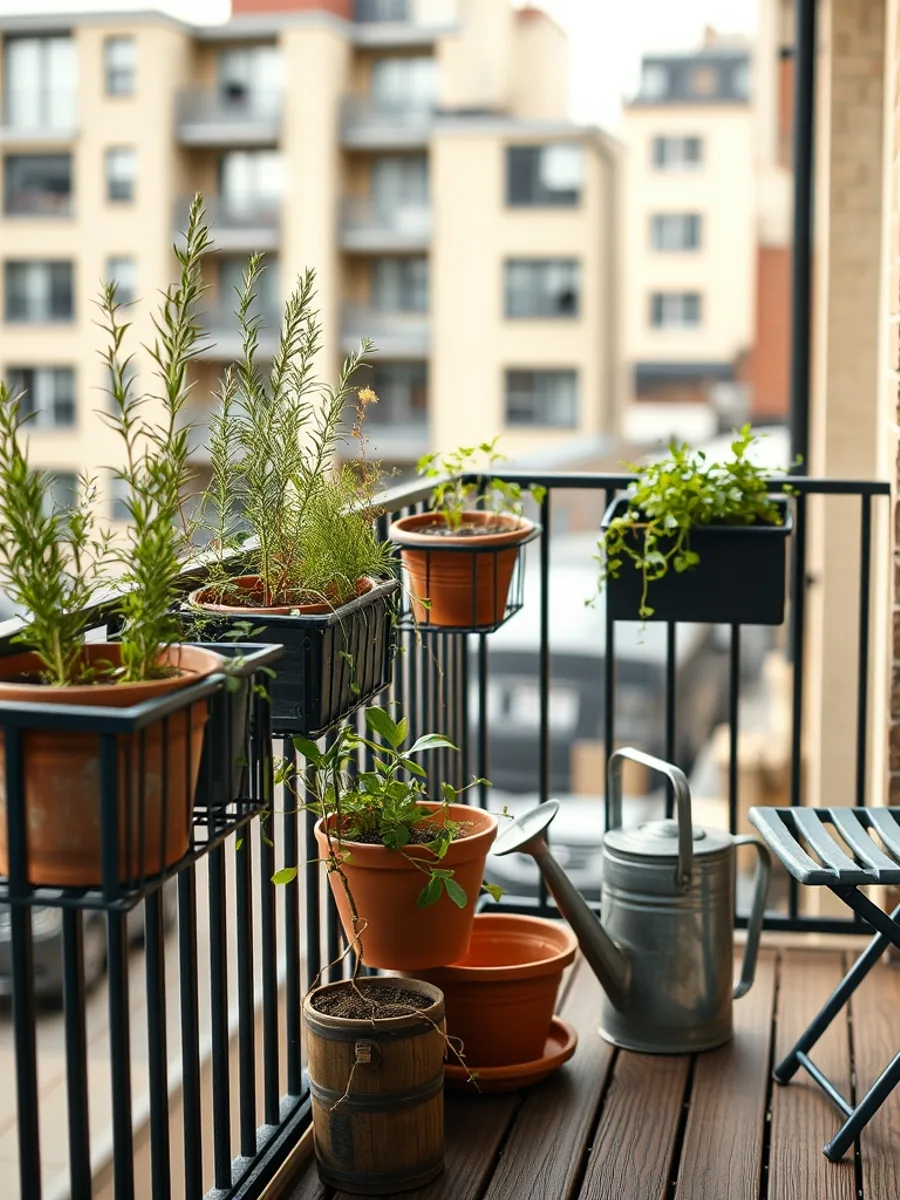
Upright plants in narrow pots tip in wind. Trailing plants in tall pots leave the top half of the soil bare and wet. If you want a mixed planting, put the tallest, thirstiest plant in the center and the drought-tolerant trailers at the edge, and choose a pot whose width is at least half its height. On a balcony, wind and weight load matter as much as volume, and our balcony garden notes cover those constraints in detail.
Drainage is the whole system
A pot without holes is a bucket. One hole in a 16-inch planter is often not enough, because a single small opening clogs with mix and roots within a season. Look for multiple holes, or holes at least half an inch across, and check them before you fill anything.
The gravel-in-the-bottom habit does the opposite of what people intend. A coarse layer under fine mix creates a perched water table: water drains through the mix, hits the gravel, and stops, so the bottom few inches of soil stay saturated. Roots need air as much as water, and the roots that suffocate first are the deep ones. Skip the gravel. Use a free-draining mix and let the hole do its job.
Two small additions solve most of the mess. Pot feet, or three bricks, lift the container so water exits instead of pooling and staining the patio. A saucer helps on balconies with neighbors below, but empty it after rain.
A mix, not soil
Garden soil in a container compacts into something closer to brick. It loses the air pockets roots depend on, and it can bring weed seed and soil-borne problems into a small closed system. Bagged potting mix is built from bark, coir or peat, and perlite, often with a starter charge of fertilizer.
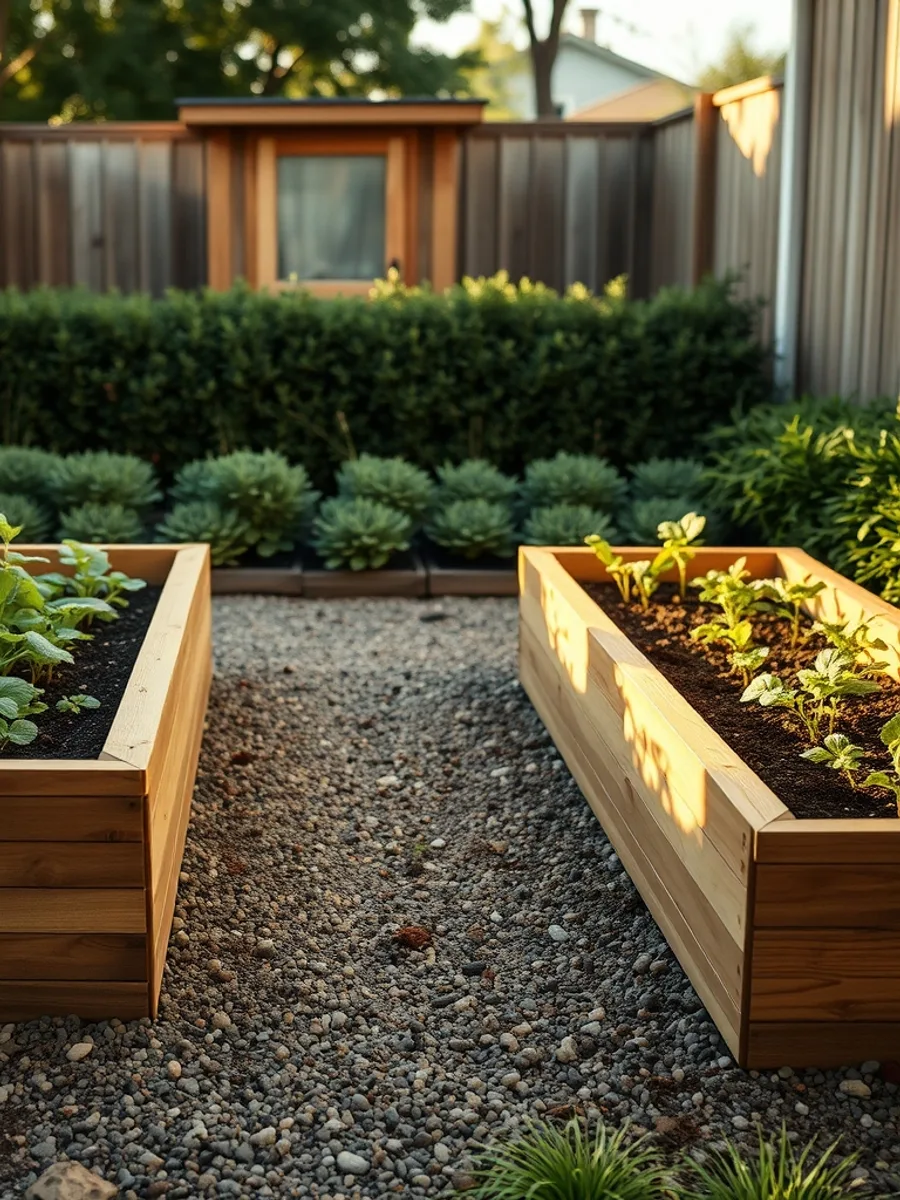
For most containers, a bark-based mix straight from the bag is fine. For long-term plantings — a shrub, a small tree, a perennial you intend to keep for years — blend roughly two parts potting mix with one part compost and a handful of perlite per bucket. The compost feeds slowly and the perlite keeps air in the mix after months of watering. Leave a couple of inches of headroom below the rim so you can water without it running straight over the side. Indoor pots follow slightly different rules, which we set out in keeping houseplants alive. If you are weighing up containers against a bed, our raised bed layout guide covers the ground-level version.
Choosing a pot, and what to check
The table below groups container types by what they actually do well. None is universally best; the answer depends on sun, weight, and how often you are home in August.
| Product | Best for | What to know |
|---|---|---|
| Fabric grow bags | Vegetables, tomatoes, temporary plantings | Air-prunes roots and drains fast, so it needs water more often; collapses when empty |
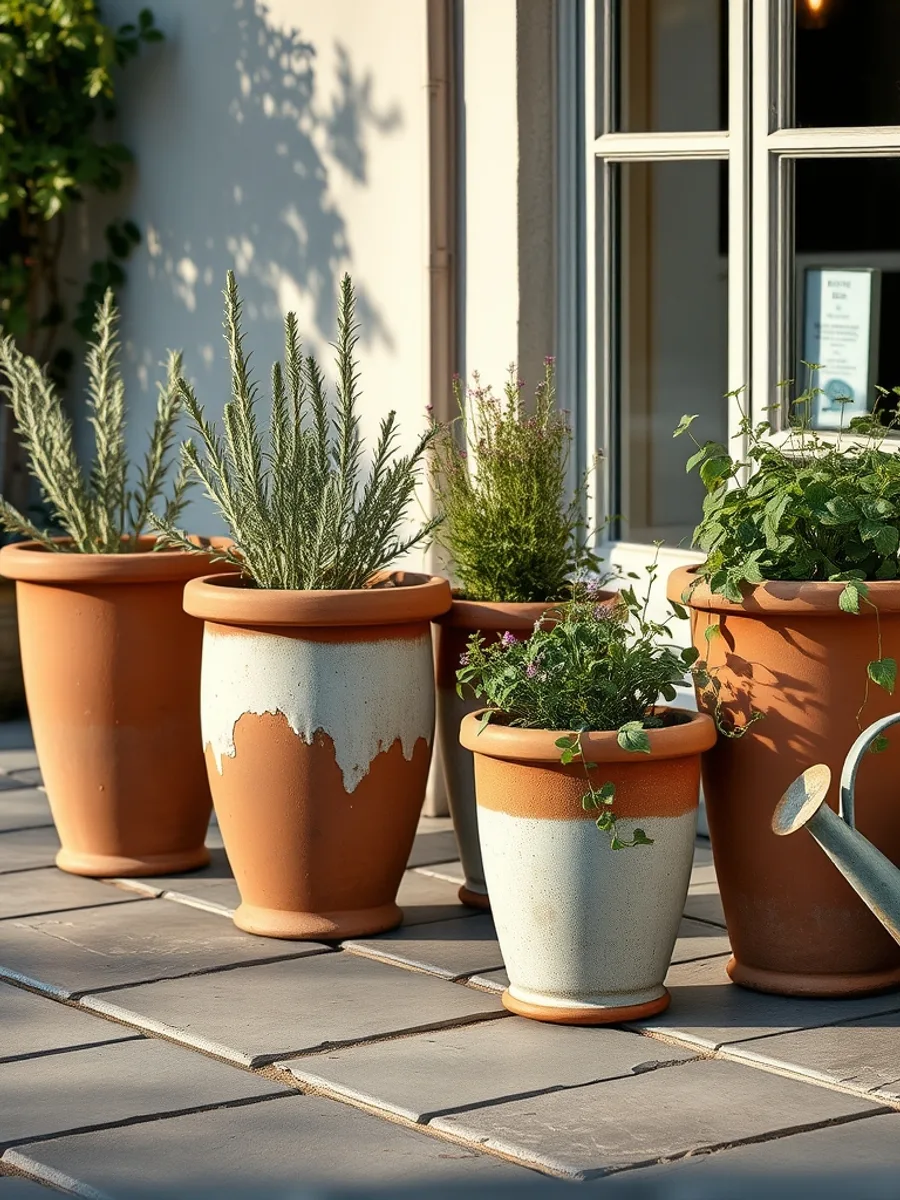
| Glazed ceramic planter | Porches and entryways where looks matter | Holds moisture longer; heavy, and chips at the rim if dropped; check the hole size |
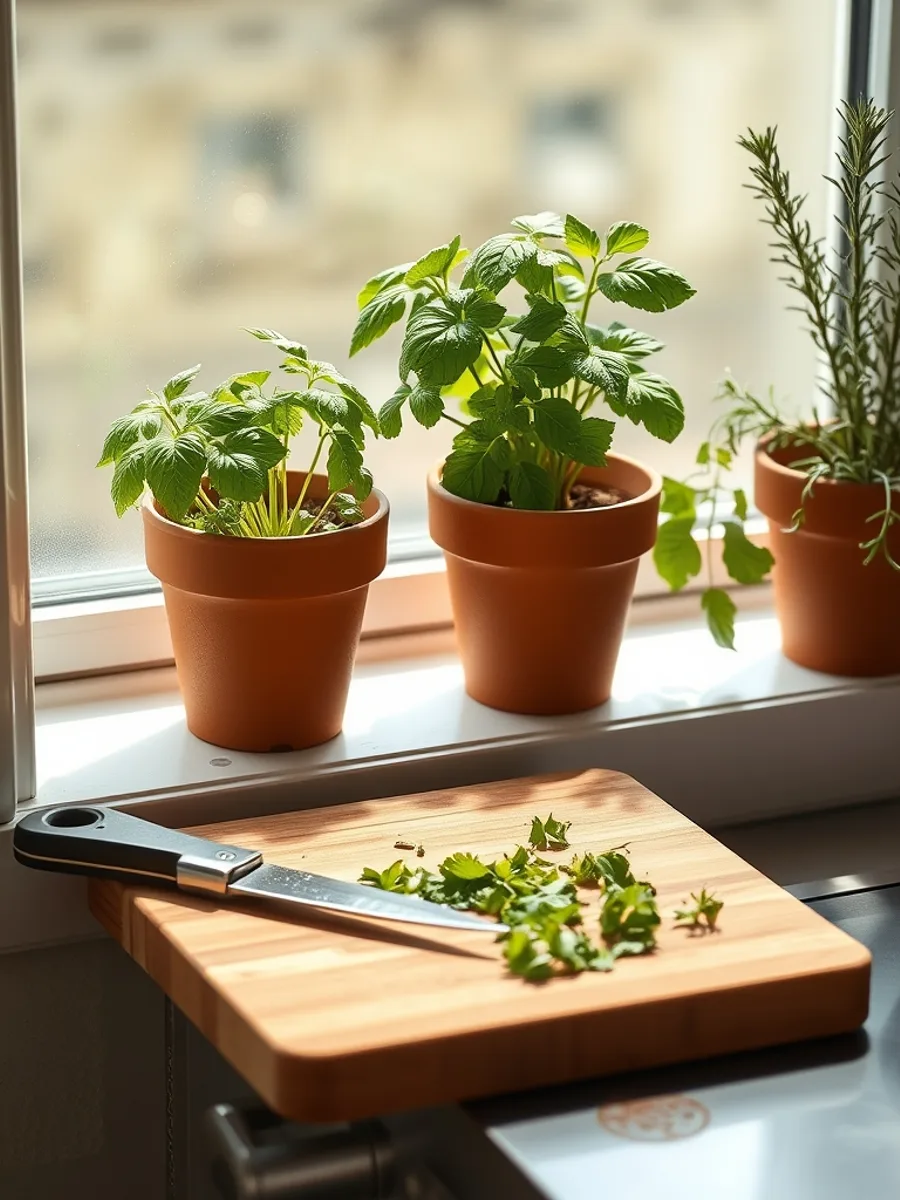
| Terracotta pot | Herbs, Mediterranean plants, sunny spots | Breathes and dries evenly, which suits rosemary and lavender; frost-cracks in cold winters |
| Self-watering planter | Balconies and households that travel | A reservoir buys days, not weeks; overwintering outside can crack the water chamber |
| Lightweight resin planter | Rooftops and decks with weight limits | Far lighter than ceramic at the same size; some fade in strong sun, so check UV rating |
Before buying, confirm the number of drainage holes, whether a saucer is included, the frost rating, and the empty weight. A footed base lets water escape; a flat one traps it.
Watering and repotting rhythm
Check moisture two inches down rather than judging by the surface, which dries first and lies. Water until it runs from the drainage hole, then stop. In summer, small pots may need water daily and large ones every two or three days; in spring and fall, weekly is closer to the mark. A pot in full sun and wind can dry twice as fast as the same pot in shade.
Repot when roots appear at the drainage hole or circle the inside of the pot. Knock the plant out, loosen the outer roots, and move up one size. Refresh the top two inches of mix each spring instead of repotting.
FAQ
Do you need rocks or gravel in the bottom of a planter?
No. A gravel layer under potting mix raises the perched water table and keeps the bottom of the root ball wetter, not drier. Use a mix that drains and a pot with adequate holes instead.
How big a pot does a tomato need?
Plan on eighteen to twenty-four inches of diameter and at least eighteen inches of depth, which works out to roughly fifteen gallons of mix. Determinate varieties cope at the smaller end; indeterminate plants that keep growing need the larger size and a stake or cage.
Can you use garden soil in containers?
No. Garden soil compacts in a pot, losing the air spaces roots need, and it can carry weed seed and soil-borne disease into a planting you cannot rotate. Bagged potting mix is the safer base.