A Winterize-the-Garden Checklist for Cold Climates
Most winter damage happens in two weeks: the first hard freeze, and the first warm day after it. The work that prevents it fits into a single weekend.
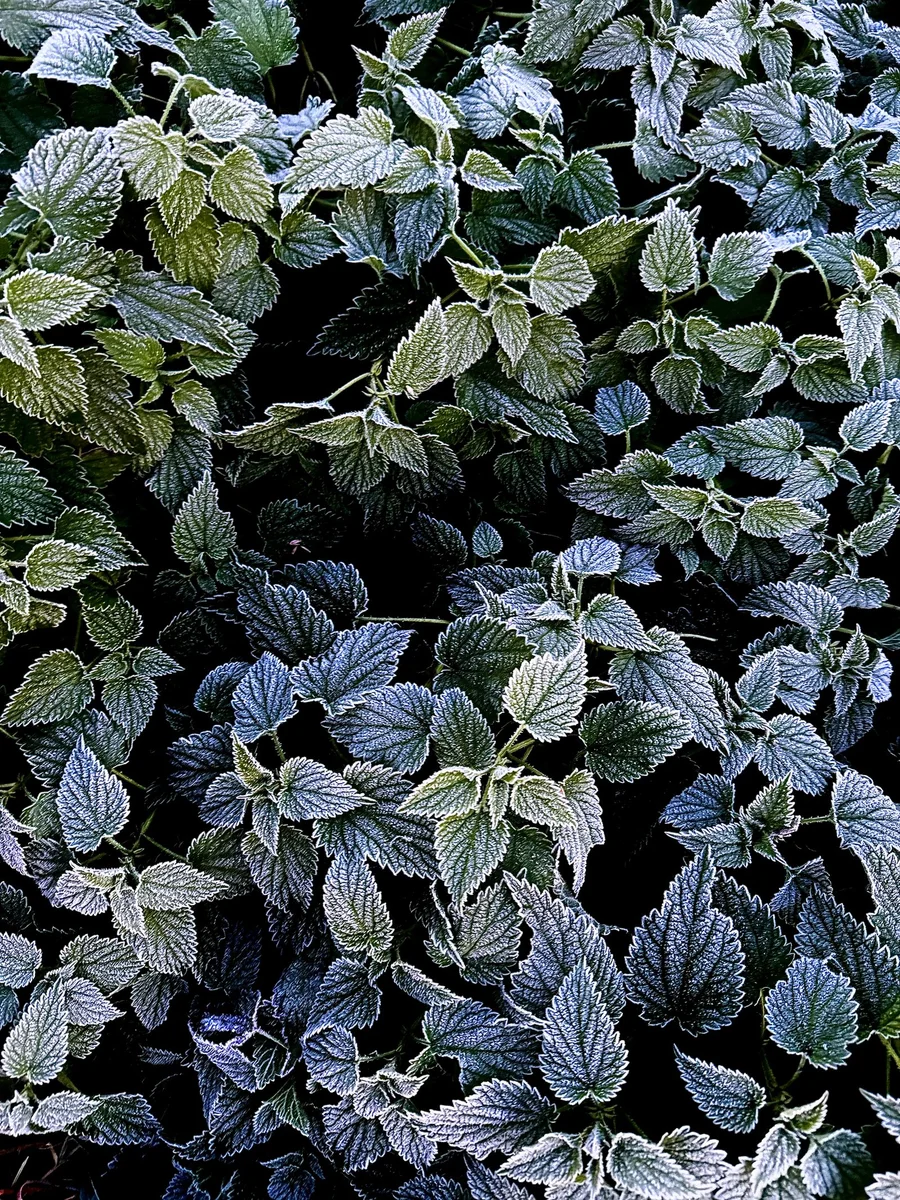
Winter kills plants in three ways, and only one of them is cold. The others are drying wind and the freeze-thaw cycle that heaves roots out of the ground. All three are cheaper to prevent in October than to repair in May, and the work that prevents them fits into a single weekend if you do it in the right order.
This post contains affiliate links. If you buy through them, we may earn a commission at no extra cost to you. Read our Affiliate Disclosure.
Work backward from your frost date
Your first average frost date is the only deadline that matters. In most of the country it falls between early October and mid-November, and the useful marker is not the date but the forecast: a hard freeze at 28°F or below does more damage in one night than a month of nights at 33°F.
Start two to three weeks before that date. Tender crops and annuals come out first, then watering, then mulching, then protection for anything marginally hardy. Doing it in that order means you are not mulching around plants you are about to pull.
Water deeply, then stop
A plant going into winter needs moisture in the root zone, not in the leaves. Evergreens in particular lose water through their needles all winter and cannot replace it from frozen ground, which is why a dry autumn is followed by browned arborvitae in March.
Water deeply once a week through the dry weeks of autumn, enough that the moisture reaches six to eight inches down. Then stop once the ground is cold and growth has stopped, because wet soil freezes harder and heaves more than moist soil.
Stop fertilizing anything woody by late summer. Nitrogen pushes soft new growth that has no time to harden off, and that growth is the first thing to die.
What to cut back and what to leave standing
Cut back herbaceous perennials to about six inches, leaving a short stub so you can find the crown in spring. Remove annual vegetables entirely, and clear fallen fruit and diseased foliage rather than composting it.
Leave ornamental grasses and plants with seed heads standing. They hold structure through winter, feed birds, and catch snow that insulates the crown. Leave any perennial that stays evergreen alone apart from damaged stems.
Do not prune spring-flowering shrubs now. You would be cutting off next year's buds. Structural pruning waits until late winter, when the shape is visible and the plant is dormant.
Containers, hoses, and standing water
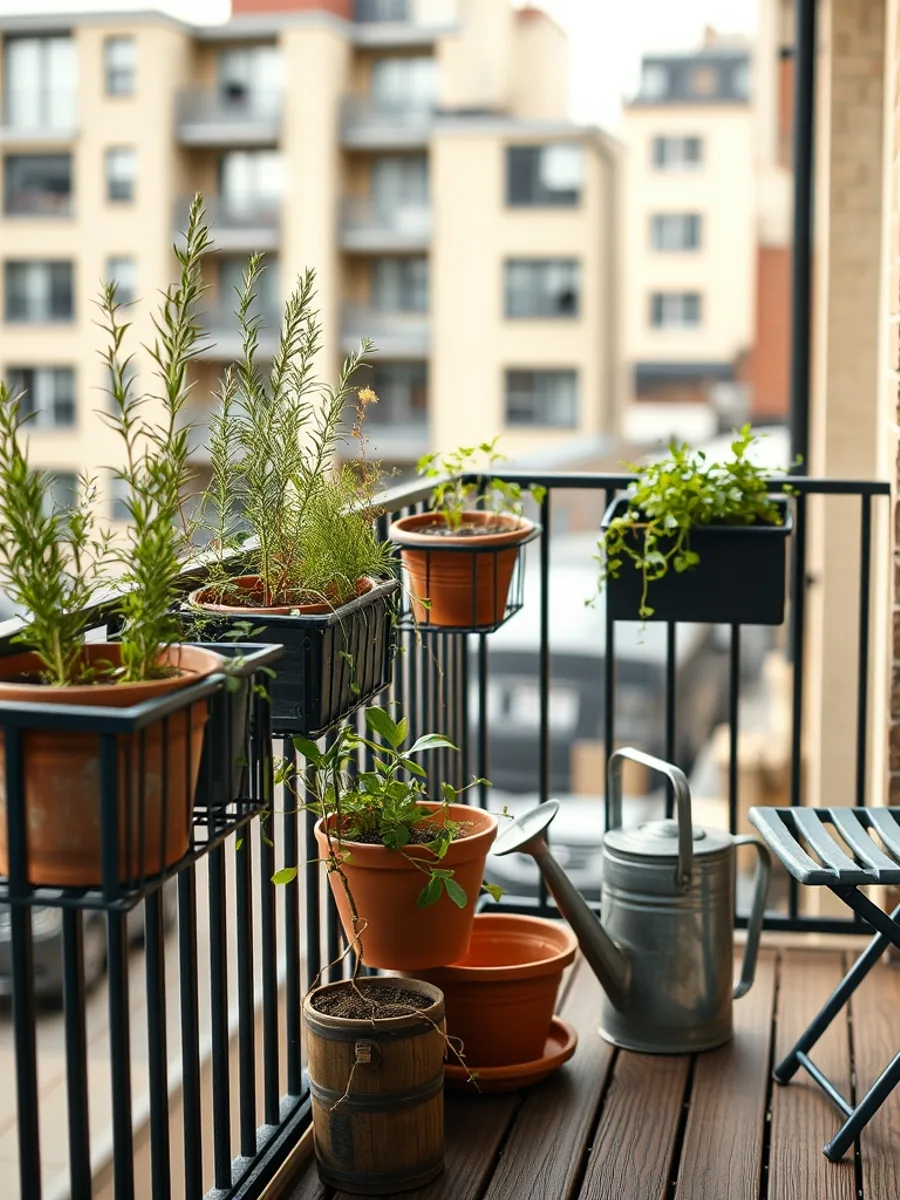
Anything planted in a pot is exposed to cold on all sides, which makes it roughly two zones colder than the same plant in the ground. Move pots against a sheltered wall, group them together so the pots insulate each other, and set them on blocks so they do not sit in a puddle that freezes solid. Terracotta and glazed pots crack when saturated soil expands; empty the ones you are not planting through winter and store them dry.
Drain and coil hoses, shut off outdoor faucets at the interior valve, and fit an insulated cover over the spigot. A split pipe behind a wall costs far more than the cover. Empty rain barrels, birdbaths, and any standing water that would freeze and crack.
Our guide to patio furniture care covers the same end-of-season logic for tables and chairs, and container planters goes into which pots survive a freeze and which should come indoors.
Soil, mulch, and the freeze-thaw cycle
Two to three inches of mulch over bare soil does more than any other single task on this list. It holds soil temperature steady, which is what prevents the heaving that pushes small plants and newly planted shrubs out of the ground. Keep mulch a few inches back from trunks and stems, and do not mound it over the crown of a perennial.
Fall is also the best time to spread compost, because worms and frost work it in for you. Do not dig over a wet bed; walking on saturated soil compacts it in a way that takes years to undo. If a bed needs winter rye or a cover crop, sow it early enough to germinate before the cold.
What to check before the first hard freeze
- Frost date and forecast, not the calendar on the wall.
- Hoses, spigots, and irrigation lines drained and covered.
- Pots either moved, grouped, or emptied.
- Mulch depth, two to three inches, pulled back from stems.
- Drainage, since a low corner that holds water will heave and rot roots.
- Stakes and ties checked before the ground freezes and they cannot be driven in.
- Salt, stored away from beds, with a plan for the walk that does not involve rock salt.
A frost blanket for tender plants is worth keeping on hand for the first unexpected cold night, and an insulated outdoor faucet cover is the cheapest insurance in the garden. Burlap wrap for shrubs protects evergreens from wind, and a hose reel makes the draining easier to actually do.
Inside the house, the same weekend is the moment for gutters, weatherstripping, and the furnace filter; our seasonal home maintenance checklist keeps those tasks in one place so nothing gets done twice or not at all.
FAQ
When should I cut back perennials in a cold climate?
Either late autumn or early spring, and the choice is mostly aesthetic. Cutting back in autumn removes diseased foliage and tidies the bed; leaving stems standing through winter feeds birds and holds snow. The one firm rule is to clear any foliage that showed mildew, rust, or leaf spot, since it carries the problem over.
Do I need to water plants in winter?
Evergreens do, on mild days when the ground is not frozen. A deep watering once in late autumn before the ground freezes is the important one. In a dry, open winter, a watering every few weeks during a thaw helps shrubs and young trees more than anything else you can do.
Will mulch keep plants from freezing?
Mulch does not warm the soil. It slows the rate at which soil temperature changes, which keeps roots from being heaved by repeated freezing and thawing. Apply it after the ground has cooled but before it freezes hard, and keep it off the crowns of perennials.