Plant Stands That Suit Real Rooms
A plant stand has to carry a wet pot, survive spills, and put the plant where the light is. Choose by pot size and weight, not by the photo.
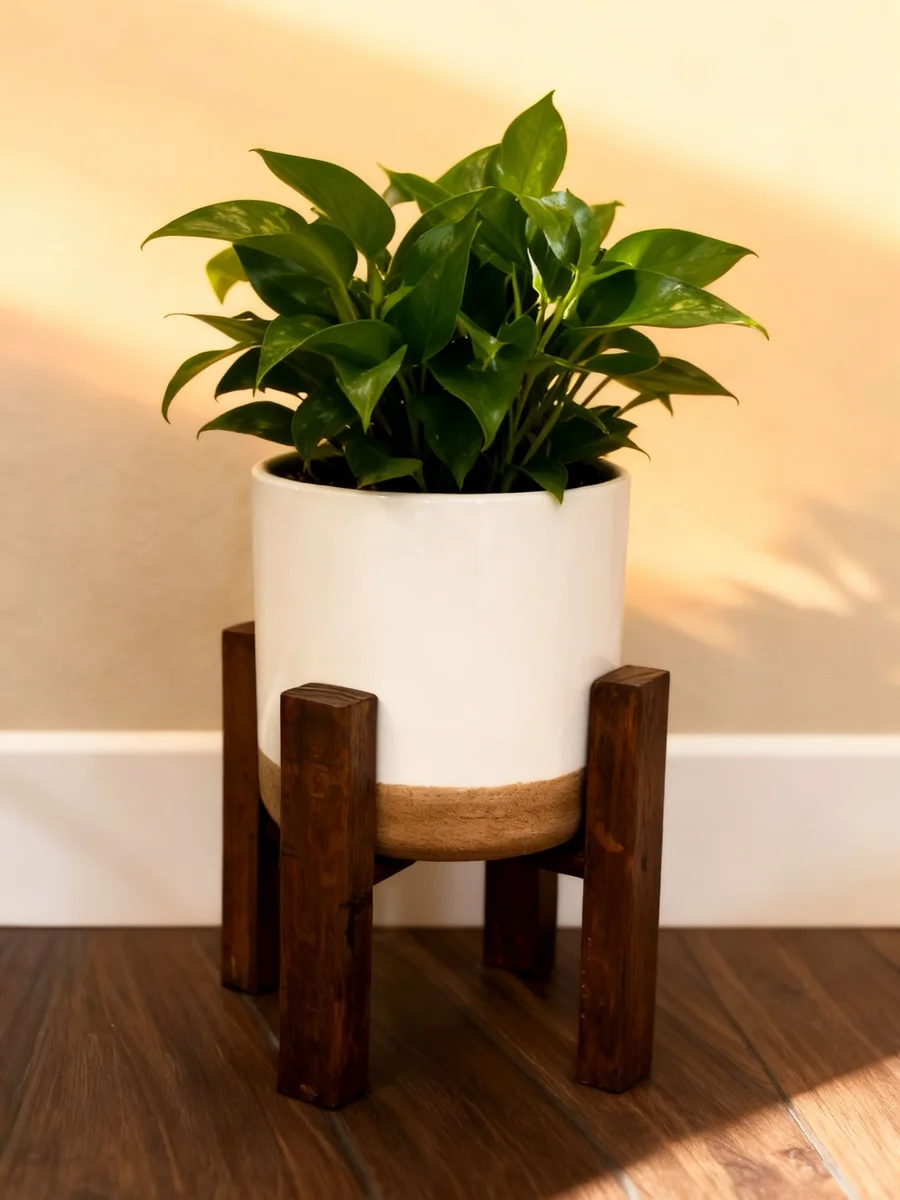
A plant stand is furniture with a hard job: it has to carry a wet pot, survive spills, and put the plant where the light actually falls. Most of the ones that disappoint were chosen for the pot that came home that weekend, not for the plant it will become in two years.
This post contains affiliate links. If you buy through them, we may earn a commission at no extra cost to you. Read our Affiliate Disclosure.
Start with the pot, not the plant
Measure three things before you shop: the pot's diameter at the rim, its diameter at the base, and the saucer it sits in. The stand's top needs to be at least as wide as the saucer, or the pot will overhang and the whole thing will feel precarious. A stand that is exactly the pot's width looks wrong; an inch or two of margin on each side looks deliberate.
Then think about weight. A pot's working weight is the pot, the soil, and the water, and watering day is the heaviest it will ever be. Dry soil can be surprisingly light, which is why a big bag of potting mix is easier to carry than the same volume of a finished pot. As a rough rule, assume the filled pot weighs close to twice what the empty pot did and check the stand's published weight rating against that.
Growth is the part people skip. A plant that fits a 10-inch pot today may be in a 14-inch pot with a moss pole in eighteen months. Buy for the pot size you expect, or accept that the stand will be handed down to a smaller plant.
Height is a lighting decision
A stand is mostly a way of moving a plant up and down in a room's light. Low stands, 12 to 18 inches, lift a small plant onto a windowsill's level or bring a trailing plant up off the floor so the vines can spill rather than sit in dust. Mid-height stands, 24 to 30 inches, put a medium plant into the light band of a side window and get it out of the way of a sofa arm.
Tall stands, 36 inches and up, are for floor plants and for rooms where the only light is at window height. They also solve a specific problem: a plant behind a sofa needs to clear the backrest to be seen, which usually means a stand rather than a taller pot.
Check the finished height, not the stand height. A 30-inch stand with a 14-inch pot and a three-foot plant puts the top of the foliage at roughly six feet, which may be exactly what a corner needs and exactly what blocks a picture rail.
Corner stands and the ceiling problem
Corners are darker than they look, and a plant stand in a corner moves the plant further from the window than the same plant on a table. If the corner is more than six feet from glass, choose a plant that tolerates lower light, or use the stand for a rotating display and move the plant closer to the window for a few days a week.
Material and what it can actually carry
Solid wood, oak and acacia in particular, is the most forgiving material for a plant stand: it can be sanded and reoiled after a water ring. It also warps if water sits on it, so a saucer is not optional. Check whether the top is solid or veneered; a veneered top will lift at the edge after one good spill.
Powder-coated steel carries more weight in thinner sections, which is why the strongest small stands look almost delicate. Look at the wall thickness at the leg, not the diameter. Rattan and cane are light and suit a bedroom, but they flex, and a heavy ceramic pot will slowly distort the weave.
Ceramic and stoneware plinths are stable and heavy, which is good for a top-heavy plant and bad for moving. MDF and particleboard should be avoided anywhere a watering can is involved.
Weight ratings are usually printed in the listing. Take them seriously but read the fine print: a 50-pound rating may assume the weight is centered, and an off-center pot on a small top loads one corner.
Stability, wobble, and pets
Four legs on an uneven floor wobble; three legs do not. That is the whole argument for a tripod stand in an old house with a sloped floor. If you prefer four legs, felt pads under two of them will take out the rock without marking the floor.
Splay matters more than leg count. A stand whose legs angle outward is much harder to tip than one with vertical legs and a narrow footprint. If the stand is tall, narrow, and holding a top-heavy pot, put it against a wall or weigh the base down rather than trusting it around a cat.
Casters are useful on hard floors and a nuisance on carpet, and they raise the load height, which makes a tall stand tippier. Only use them if they are rated for the total weight and lock.
Grouping stands without a jungle
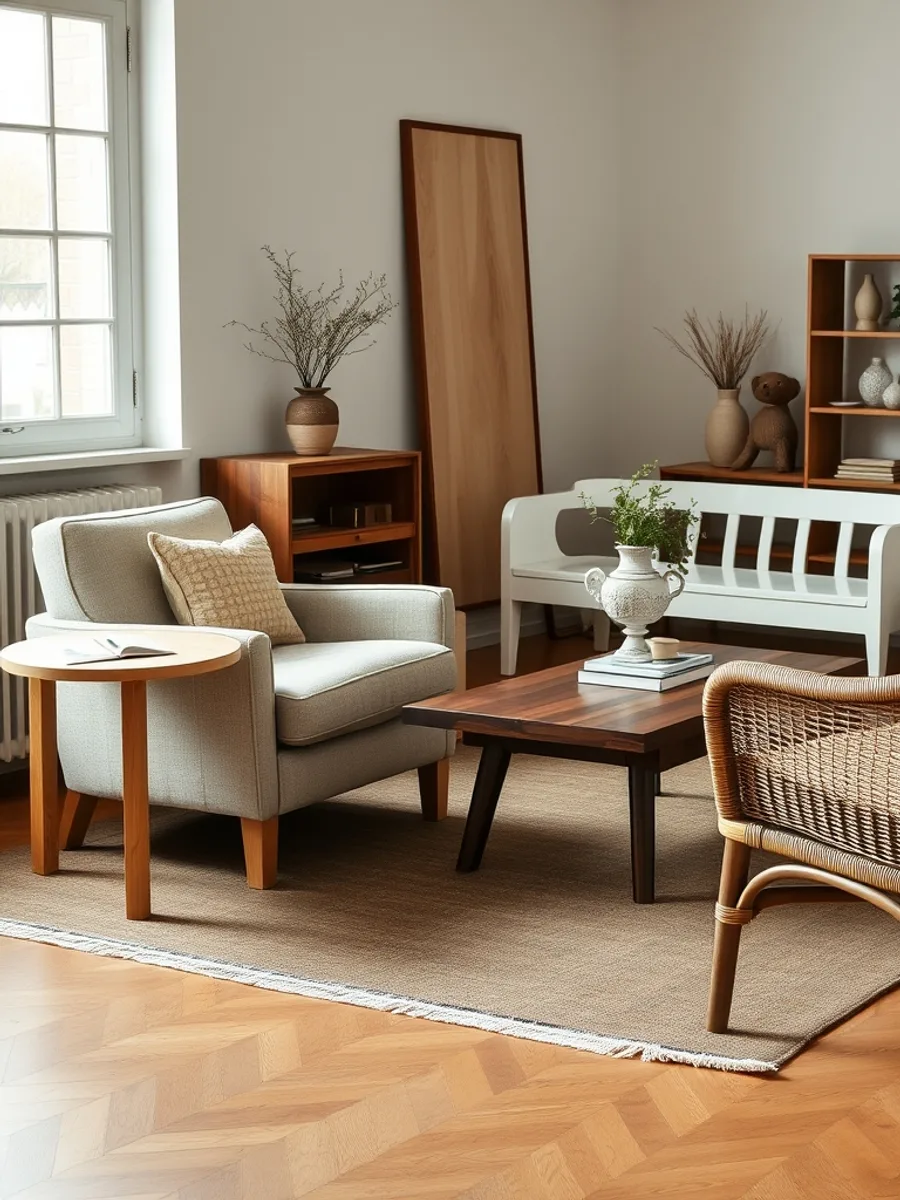
Two or three stands of different heights, in one material family, read as a collection. Five stands of the same height read as a shelving unit that lost its shelves. Keep the tallest at the back, the smallest at the front, and leave visible floor between the groups so the eye can rest.
Group by leaf shape as much as by pot. A round-leaved plant next to a spiky one gives contrast; three ferns together look like a nursery. And leave one stand empty for the plant you have not bought yet, which is the only reliable way to stop the collection from taking over the room.
Our guide to keeping houseplants alive covers watering and light in more detail, and the container planters guide explains drainage and soil for pots that live indoors. If the stand is wood and the room already has several wood tones, the notes on mixing wood tones will help you choose a finish that sits with the floor rather than fighting it.
| Product | Best for | What to know |
|---|---|---|
| Solid oak stand, 24 inches | Medium pots in a living room | Sand and reoil after water rings; use a saucer every time |
| Tripod metal stand, 18 inches | Older floors that are not level | Three legs do not wobble; check the weight rating and leg wall thickness |
| Tall corner stand, 36 inches | Floor plants that need window light | Measure finished height against the ceiling and any picture rail |
| Rattan plant stand | Bedrooms and lighter pots | Flexes under weight; not for a heavy ceramic pot |
| Ceramic plinth | Top-heavy plants and small rooms | Stable and heavy; hard to move once the pot is in place |
A practical pair is a solid oak plant stand around 24 inches for a living room pot and a tripod metal plant stand for the corner where the floor is not level. For a floor plant that needs height, a tall wooden plant stand does the job, and a set of felt furniture pads stops the whole arrangement from scratching the floor.
FAQ
What size plant stand do I need for a 10-inch pot?
Look for a top at least 10 inches across, ideally 11 or 12, so the saucer sits fully on the stand with a little margin. Height is a separate decision: 12 to 18 inches lifts a small plant into window light, while 24 inches suits a medium plant beside a sofa.
Can a plant stand hold a heavy ceramic pot?
Only if the stand is rated for the filled weight, which is the pot plus soil plus water, not the pot alone. Solid wood and steel frames with a wide footprint handle it; rattan, thin wire, and particleboard do not. Put a heavy pot low and centered rather than on top of a tall stand.
How do I stop a plant stand from scratching the floor?
Felt pads under the feet, replaced when they compact, and a saucer under every pot. Water damage and dragged stands cause most floor marks, so lift the stand rather than sliding it when you move it, especially on wood.